Understand who each professional represents
The builder’s sales representative works for the builder and helps explain the community, available homes, pricing, options, and purchase process. That role is appropriate and important. A buyer’s agent serves a different purpose: helping the buyer compare choices, frame questions, evaluate tradeoffs, and navigate the transaction from the buyer’s perspective. Independent representation is not about creating conflict; it is about giving both sides clear roles.
Make contact before visiting or registering
Builder policies regarding buyer-agent registration and compensation can vary by builder, community, release, and timing. Some may require the buyer’s agent to accompany the buyer on the first visit or be identified during initial registration. Before touring a model, registering online, or providing contact information, ask the agent you want to work with to review the current process. Never assume that one builder’s policy applies to another.
Review the builder contract carefully
New-construction agreements are commonly written for the builder’s product and process and may differ significantly from a standard resale contract. They can address deposits, selections, financing deadlines, delivery estimates, substitutions, tolerances, inspections, defaults, dispute procedures, and warranty obligations. A real estate agent can help organize questions and transaction strategy, while a qualified attorney should provide legal interpretation when needed.
Evaluate the lot as carefully as the floor plan
Lot selection affects daily use and future resale. Study orientation, sunlight, slope, drainage, retaining walls, road position, traffic, nearby amenities, utility equipment, stormwater facilities, common areas, future phases, and the relationship to neighboring homes. A premium lot charge does not automatically mean the lot is the best fit; its value depends on the buyer’s priorities and how future buyers may perceive it.
Study the community and development plan
The model-home area may represent only one part of a larger plan. Ask about future roads, density, amenities, schools, commercial areas, construction traffic, phasing, association structure, and what is planned near the selected homesite. Plans and timelines can change, so distinguish current commitments from concepts or expectations and review the governing documents available for the community.
Compare base price with the realistic finished cost
The advertised base price may not include the lot premium, structural changes, exterior elevation, design-center selections, appliances, window coverings, landscaping, or improvements completed after closing. Build a working budget that includes the likely selections and ownership costs. Decide which options are difficult to add later, which are mainly aesthetic, and where restraint may protect both the budget and future resale.
Evaluate incentives as part of the full transaction
Builders may offer closing-cost assistance, upgrade credits, rate-related programs, or other incentives. These can be meaningful, particularly when tied to a preferred lender or title provider, but compare the complete economics: price, loan terms, fees, credits, options, and flexibility. Buyers should review financing alternatives with qualified lenders rather than focusing on one headline benefit.
Plan for a timeline that can move
Construction schedules depend on permits, labor, materials, inspections, utilities, weather, and sequencing across the community. Delivery dates may be estimates rather than guarantees. Buyers should coordinate lease expiration, sale timing, moving, rate-lock decisions, and cash planning with enough flexibility for reasonable changes, while staying informed about milestones and documentation.
Use independent inspections when appropriate
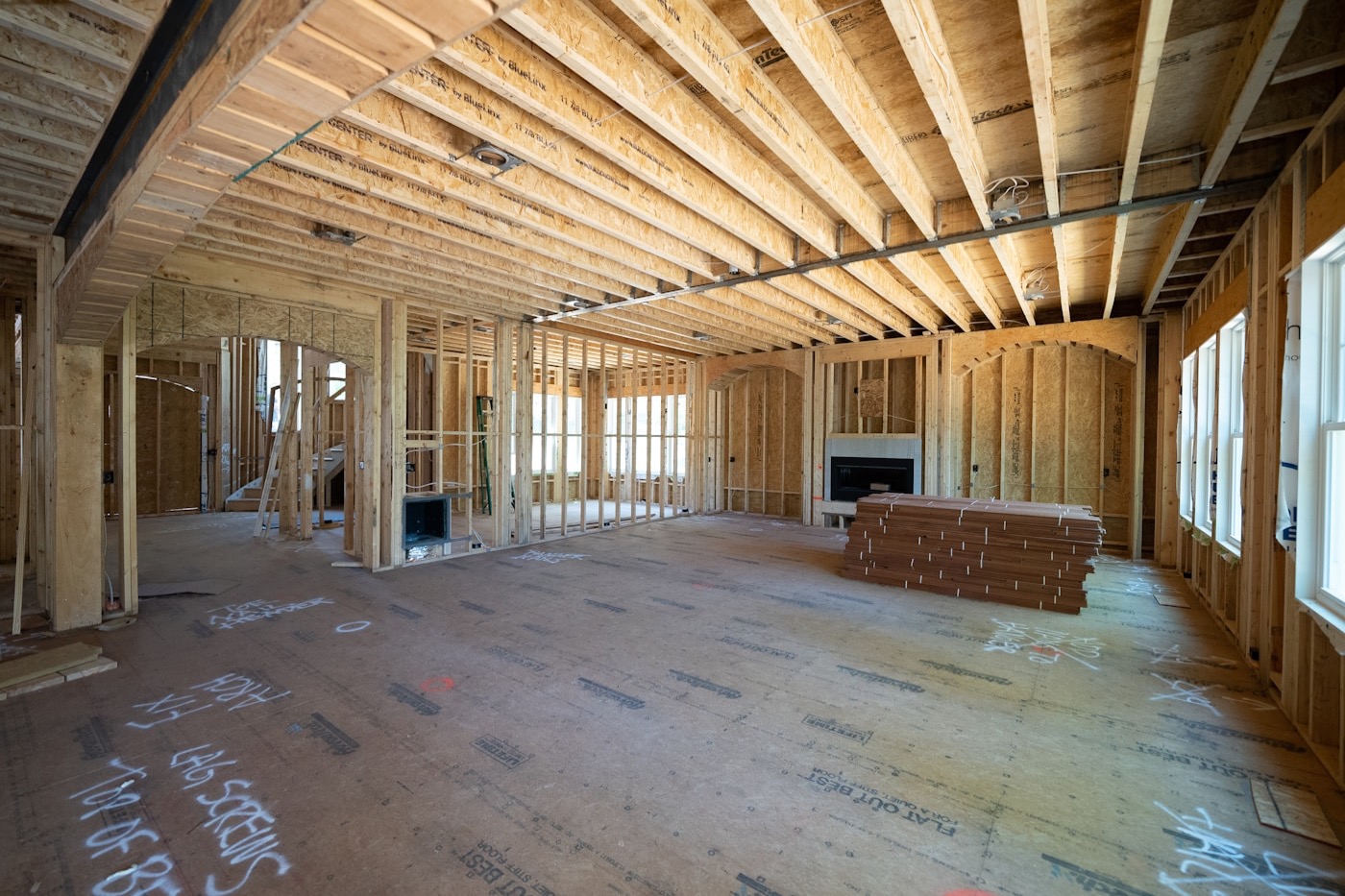
New does not mean every component is automatically correct. Depending on the project and contract, inspections may be considered at stages such as pre-drywall and before closing, with a qualified inspector documenting observable conditions. The builder remains responsible for its construction and warranty obligations, while inspectors provide a separate professional perspective within the limits of their work.
Prepare for orientations and walkthroughs
Builder orientations and buyer walkthroughs help explain systems, maintenance, warranty procedures, and incomplete or corrective items. Arrive organized, document agreed items, understand what will be completed before and after settlement, and keep communication through the builder’s stated process. A buyer’s agent can help track the transaction, but does not replace the builder, inspector, engineer, attorney, or warranty provider.
Coordinate financing, appraisal, and closing
New-construction financing may involve extended rate considerations, builder-required deadlines, document updates, appraisal timing, and final property completion. Closing also requires title, insurance, funds, walkthrough, and settlement coordination. Keep the lender and transaction team updated as construction progresses and verify transfer instructions through trusted channels before sending money.
Think beyond the model home to resale
Model homes are designed to be persuasive, but future resale depends on the actual home and lot. Consider floor-plan functionality, parking, natural light, bedroom placement, option over-improvement, community fees, nearby future supply, and how the property will compare with both resale homes and later builder releases. Select features that serve current needs while remaining understandable to a future buyer.
Why relevant construction and development experience matters
New-construction representation benefits from asking informed questions about the lot, plans, selections, construction sequence, community development, and long-term property position. Bakr’s background in construction, land acquisition, development, entitlement, and rezoning provides added context when helping buyers evaluate these issues. That perspective supports better questions and coordination; it does not replace licensed legal, engineering, inspection, lending, or other specialized advice.
This article is for general informational purposes and is not legal, tax, engineering, construction, inspection, or financial advice. Development potential and zoning or entitlement outcomes are not guaranteed. Consult the appropriate licensed professionals for your circumstances.